Embark on Your Sewing Adventure: Basic Lessons for Everyone
Embark on Your Sewing Adventure: Basic Lessons for Everyone
Blog Article
Understanding the fundamentals of sewing is crucial for anyone interested in crafting garments or home decor. Basic sewing lessons empower individuals with the skills and confidence to bring their creative visions to life. Whether you're a complete novice or someone looking to refine your sewing techniques, these lessons provide a solid foundation for your sewing journey. For those eager to start, about what essential elements you should know before diving into this rewarding hobby. This article will explore the nature of basic sewing lessons, what they cover, how to find the right classes, and the costs involved. By arming yourself with the right information, you can set yourself up for success as you embark on your sewing adventures learn more. Keep an open mind and be patient with yourself. Sewing takes practice, and mistakes are part of the learning process. Celebrate small victories!Helpful Tips for Successful Learning
basic sewing associated article lessons
Understanding Basic Sewing Lessons
Basic sewing lessons typically cover the fundamental skills required to sew effectively. These classes introduce participants to various tools and materials, teaching them how to operate a sewing machine safely and efficiently. Participants will learn about types of fabrics, stitching techniques, and essential sewing terms. Additionally, lessons often focus on simple projects, allowing students to practice and apply what they have learned. A well-structured course gradually builds confidence, leading participants from basic techniques to more complex sewing projects.
Skill Development and Project Focus
As students progress, they can expect to tackle increasingly challenging projects. This method not only builds skills but also enhances creativity. For instance, students might begin with simple items like pillows or tote bags before moving up to clothing or more intricate home decor projects. Hands-on experience is critical; therefore, a good sewing class emphasizes practice. Instructors often provide guidance on troubleshooting common sewing issues, which is invaluable for beginners. Moreover, students are encouraged to collaborate, share, and support one another, fostering a community of learners.
Choosing the Right Sewing Course for You
Finding the right sewing lessons can significantly enhance your learning experience. Begin by identifying your goals; are you seeking to make clothing, quilts, or craft projects? This understanding will help narrow down classes that align with your interests. You can search for options like “sewing classes near me” or “sewing lessons for beginners near me” to discover local offerings. Many establishments, such as sewing studios and community centers, provide introductory classes. Additionally, consider online resources. Virtual sewing courses have become popular, offering flexibility and accessibility. Platforms like Skillshare and Udemy offer courses that cover a variety of sewing techniques.
It’s also beneficial to read reviews and gather references. Checking out “sewing machine reviews” or testimonials about specific classes can inform your choice. Many local sewing schools and studios have social media pages where you can see the outcomes of previous classes, further guiding your decision.
The Cost of Sewing Lessons
When considering sewing courses, understanding the associated costs is vital. Prices can vary widely depending on location, instructor experience, and the duration of the course. On average, you might find that basic sewing classes could range from $30 to $100 per session, with multi-session workshops often priced at a discount. If you’re looking for options, “sewing classes near me for adults” or “children's sewing classes near me” can lead you to various pricing structures suited for different age groups and expertise levels.
Additionally, invest time in comparing costs for materials, as some courses include fabric and tools, while others may require students to supply their own. Knowing the full investment required can help you plan accordingly. For those on a budget, many community centers and local craft stores offer beginner classes at lower rates or even free introductory sessions, making sewing more accessible.
For further knowledge, refer to the comprehensive guide on sewing to deepen your understanding of this craft.
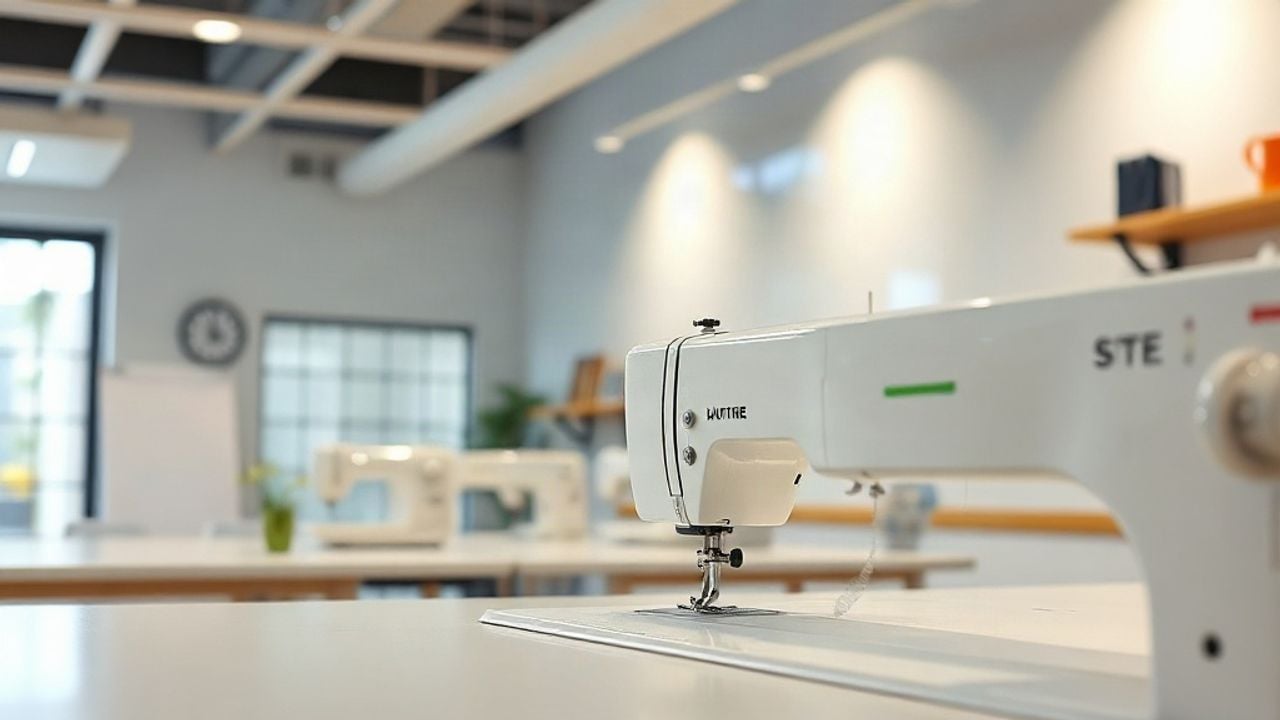 sewing basicssewing basics guide
Frequently asked questions
What are basic sewing lessons?
Basic sewing lessons teach essential sewing skills, focusing on operating sewing machines, understanding fabrics, and completing simple sewing projects.
How do I choose a basic sewing lessons provider?
Look for classes that align with your goals and interests. Check reviews, instructor qualifications, and course structures to find a suitable provider.
How much do basic sewing lessons cost?
Costs for basic sewing lessons can range from $30 to $100 per session, depending on location and the course provided. Be sure to consider potential material costs.
Delving into basic sewing lessons can be a rewarding journey to tap into your creativity while mastering essential techniques. By checking out various educational avenues and dedicating time to refine your skills, anyone can enhance their sewing proficiency. As you build your self-assurance, you'll find it easier to take on more complex projects and truly enjoy the art of sewing.
Whether your motivation is crafting for enjoyment or producing sellable items, establishing a firm foundation through reliable lessons is crucial for a successful sewing adventure.
When assessing basic sewing lessons, prioritize concrete results, clear communication, and whether the teaching style aligns with your specific goals and deadlines. Be wary of ambiguous claims that lack a comprehensive assessment strategy.
Inquire about how your growth is measured, what will be included versus what is optional, and how the instructor adapts their methodology when progress appears to stall. Having a written agreement prior to payment safeguards the interests of both parties.